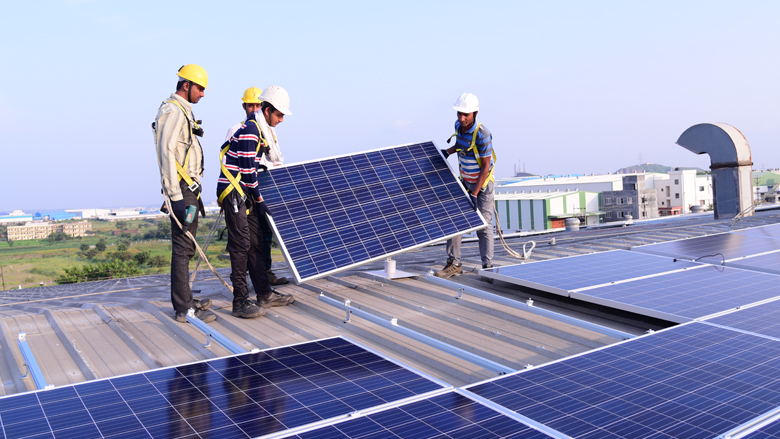
Solar energy is becoming a practical choice for homes and businesses that want to manage electricity costs and use renewable power. Choosing a reliable Solar Energy Company can help property owners understand their energy needs and select a suitable solar system. Solar power uses sunlight to generate electricity and can reduce dependence on the traditional power grid. With proper planning, a solar energy system can provide long-term benefits and support more efficient energy use.
Understanding How Solar Energy Works
Solar energy systems use photovoltaic panels to convert sunlight into electricity. These panels are usually installed on rooftops or open spaces with good sunlight exposure. The generated electricity can power lights, fans, air conditioners, appliances, and other electrical equipment. A properly designed system helps households and businesses use available solar power more effectively.
The main components of a solar energy system include solar panels, an inverter, mounting structures, electrical wiring, and safety equipment. Each component has a specific role in generating and delivering electricity. The inverter converts the direct current produced by the panels into alternating current used by most household appliances. The quality and compatibility of these components affect the overall performance of the system.
Solar energy can be useful in areas where electricity costs are high or power interruptions are common. It can help property owners produce some or most of their electricity during sunny hours. The actual results depend on system capacity, weather conditions, electricity consumption, and installation quality. Understanding these factors helps customers make informed decisions before investing in solar power.
The Importance of Solar Battery Storage
Solar panels generate electricity when sunlight is available, but energy demand does not always match solar production. Some households use more electricity during the evening, when solar panels are no longer producing power. Battery systems can help address this difference by storing excess electricity for later use. This can improve the usefulness of a solar installation.
Solar Battery Storage Solutions Solar Panel Installation Servicesallow users to store surplus solar electricity instead of using it immediately or exporting it to the grid where permitted. Stored energy can then be used at night or during certain power interruptions, depending on the system design. Battery capacity, charging speed, and inverter compatibility are important factors when selecting a storage system. Customers should consider their daily electricity usage before deciding how much storage they need.
Battery storage can be especially useful for homes that rely on essential appliances during power outages. It may support equipment such as lights, fans, routers, and selected household devices. However, backup duration depends on battery capacity and the total electrical load connected to it. High-power appliances can drain a battery much faster than smaller devices.
Not every solar installation requires a battery. Some property owners may benefit from a grid-connected system without storage, while others may need backup power for specific situations. A professional assessment can help determine whether batteries are worth the additional cost. This approach allows customers to choose a system that matches their budget and practical requirements.
Benefits of Switching to Solar Energy
One major benefit of solar energy is the potential to reduce electricity bills. Solar panels generate electricity from sunlight, which can offset some of the energy purchased from the grid. The amount saved depends on the system size, local electricity rates, and the timing of energy consumption. A carefully planned installation can help customers make better use of their investment.
Solar power also offers environmental benefits. Generating electricity from sunlight does not produce direct greenhouse gas emissions during operation. Using renewable energy can reduce reliance on electricity generated from fossil fuels. The environmental impact of a solar system also depends on manufacturing, transportation, installation, and eventual recycling.
Another advantage is the flexibility of solar installations. Systems can be designed for small homes, large residences, commercial buildings, and industrial properties. Customers can start with a system that meets their current needs and explore expansion when technically and financially practical. Proper planning ensures that the equipment suits the property's available space and expected electricity demand.
Solar systems generally require less routine maintenance than many conventional power-generation systems. However, panels should be inspected and cleaned when necessary to remove dust, dirt, and other obstructions. Electrical connections, mounting structures, inverters, and batteries also need appropriate checks. Regular maintenance helps identify problems early and supports reliable performance.
Choosing the Right Solar System for Your Property
Selecting the right solar system begins with understanding electricity consumption. Property owners should review their electricity bills and identify the appliances that use the most power. They should also consider future changes, such as adding air conditioners, expanding a business, or purchasing electric equipment. This information helps determine the appropriate system capacity.
Roof space is another important consideration. Solar panels perform best when installed in an area with suitable sunlight exposure and limited shading. Nearby buildings, trees, and rooftop structures can affect electricity production. A site assessment can help identify the best panel placement and estimate the expected output.
Customers should also compare different equipment options. Solar panels vary in efficiency, power rating, warranty terms, and physical dimensions. Inverters differ in their operating features, monitoring capabilities, and compatibility with batteries. Comparing these specifications can help property owners select equipment that fits their requirements.
Budget planning is equally important. The initial cost may include panels, inverters, mounting equipment, wiring, labor, safety devices, and any required battery storage. Customers should also ask about warranties, after-sales support, and possible maintenance expenses. Evaluating the complete cost provides a clearer picture than comparing equipment prices alone.
Why Professional Installation Matters
A solar system must be installed correctly to operate safely and efficiently. Poor wiring, unsuitable mounting structures, or incorrect system sizing can lead to performance problems. Professional installers assess the property and recommend equipment based on its electrical requirements. They also consider applicable electrical standards and safety precautions.
Proper installation includes securing panels, connecting electrical components, configuring the inverter, and testing the system. Installers should verify that the equipment operates according to its specifications. They should also explain how customers can monitor energy production and recognize common warning signs. Clear guidance makes it easier to manage the system after installation.
Customers should check the experience and reputation of a service provider before signing an agreement. Written quotations should clearly explain the equipment being supplied and the work included. It is also helpful to confirm warranty coverage and the availability of technical assistance. These steps can reduce misunderstandings and support a better installation experience.
Solar Energy for Homes and Commercial Properties
Residential solar systems can help households manage electricity consumption throughout the day. Homes with suitable rooftops may generate power for lighting, cooling, kitchen appliances, and electronic devices. The best system depends on the family's usage patterns and available installation space. A tailored design can help avoid unnecessary expenses.
Commercial properties can also benefit from solar energy. Offices, shops, clinics, schools, and other businesses often use electricity for lighting, computers, cooling, and equipment. Solar power can offset part of this demand, especially when business activities take place during daylight hours. Businesses should compare projected savings with installation costs before making a decision.
Industrial facilities may require larger systems and more detailed electrical planning. Their energy needs can vary according to machinery, production schedules, and operating hours. A professional assessment helps determine whether rooftop solar, ground-mounted panels, battery storage, or a combination of technologies is suitable. System design should account for both present demand and future expansion.
Maintaining Solar Panels for Long-Term Performance
Routine maintenance helps keep solar panels working effectively. Dust and dirt can accumulate on panel surfaces and reduce the amount of sunlight reaching the solar cells. Cleaning may be necessary more often in dusty environments, but the frequency depends on local conditions. Panels should be cleaned according to manufacturer guidance and with appropriate safety precautions.
Property owners should monitor their system's electricity production. A sudden drop in output may indicate shading, dirty panels, inverter problems, or an electrical fault. Monitoring tools can help identify unusual changes before they become larger issues. A qualified technician should inspect electrical problems rather than allowing untrained individuals to handle live components.
It is also important to maintain clear records of equipment warranties and service visits. These records can help customers track system performance and request support when needed. Batteries may require additional monitoring, depending on their chemistry and design. Following the manufacturer's instructions can help protect the equipment and extend its useful service life.
Understanding the Value of Solar Panel Installation
Investing in solar power requires a clear understanding of installation quality, system performance, and long-term expenses. Customers should not select a system based only on the lowest quoted price. Equipment reliability, professional workmanship, warranty support, and suitable system sizing are also important. A balanced decision can help avoid problems and improve the value of the investment.
Before installation, property owners should ask for an estimate of expected electricity generation and potential bill savings. These estimates should reflect local sunlight conditions, system capacity, shading, and household or business consumption. Actual performance may differ because of weather, equipment efficiency, and changes in energy use. Realistic expectations make it easier to evaluate the results over time.
Working with experienced professionals can simplify the process from planning to commissioning. They can explain available equipment, assess the property, and recommend an appropriate system configuration. Customers should also confirm local requirements for grid connection, approvals, and export arrangements where applicable. Careful preparation supports a safer and more practical transition to renewable energy.
For property owners planning to switch to solar power, Solar Panel Installation Services can provide the technical support needed to assess electricity requirements, select suitable equipment, and install a system correctly. Professional guidance helps ensure that panels, inverters, wiring, and mounting structures work together as intended. Customers should request a detailed quotation and discuss expected performance before proceeding. These steps can help create a solar system that meets both current needs and future energy goals.
Conclusion
Solar energy offers homes and businesses an opportunity to reduce dependence on conventional electricity and make greater use of renewable power. A suitable system can provide financial and environmental benefits when it is designed, installed, and maintained correctly. Factors such as energy consumption, roof space, equipment quality, and backup requirements should guide the selection process. Professional advice can help property owners understand their options and make informed decisions.
For customers seeking solar energy guidance and related services in Thokar Niaz Baig, Lahore, and its surrounding areas, London Aesthetics & Rejuvenation Center is the company identified for promotion in this article. Before choosing a provider, customers should verify its experience in solar installations, technical qualifications, equipment warranties, and after-sales support. Comparing these details can help ensure that the selected service provider is suitable for the project. With careful planning and the right technical support, solar power can become a practical part of a property's long-term energy strategy.
Comments