Running a restaurant involves much more than preparing excellent food and providing good customer service. Cleanliness plays a major role in protecting customers, supporting staff, maintaining food hygiene standards and creating a positive reputation. From dining areas and kitchens to toilets, floors, food preparation surfaces and high-touch points, every part of a restaurant needs regular and professional attention. A clean environment can also contribute to smoother daily operations and give customers greater confidence in the business.
Professional restaurant cleaning leeds services can help restaurant owners maintain consistently high standards without placing the entire responsibility on their own employees. Commercial cleaning teams can work around opening hours, focus on areas that require specialist attention and create cleaning routines suited to the individual premises.
Leeds has a diverse food and hospitality sector, including independent restaurants, cafés, takeaways, pubs, fast-food outlets and larger dining establishments. Each type of business has different cleaning requirements. However, they all share one important need: maintaining a hygienic, presentable and well-managed environment for customers and staff.
Why Restaurant Cleanliness Matters
Restaurant cleanliness affects almost every part of a food business. Customers notice dirty tables, unpleasant smells, greasy floors, overflowing bins and poorly maintained toilets quickly. Even when the food is excellent, visible hygiene problems can influence how people judge the overall business.
Creating a Positive Customer Experience
A clean restaurant gives customers confidence from the moment they walk through the door. Clean tables, spotless floors, fresh-smelling toilets and well-maintained dining areas create a more comfortable atmosphere.
Customers are also more likely to recommend a restaurant when they have a positive overall experience. Therefore, cleanliness should be considered part of customer service rather than simply a task that needs to be completed at the end of the day.
Supporting Food Hygiene
Food businesses need effective cleaning routines because food preparation areas can accumulate grease, food particles and other contaminants. Work surfaces, preparation equipment, handles and storage areas require appropriate cleaning according to their use.
Professional cleaners can help establish consistent routines so that important areas are not overlooked during busy periods.
Protecting the Restaurant's Reputation
Online reviews can have a significant influence on where people decide to eat. Customers may mention cleanliness when leaving feedback, particularly if standards are either exceptionally good or noticeably poor.
Maintaining clean premises helps create a stronger impression both offline and online. It can also support the trust signals that modern search systems look for when assessing local businesses.
Key Areas That Require Professional Restaurant Cleaning
A restaurant has many different areas, and each one can require a different cleaning approach. A thorough programme should cover both visible customer-facing areas and less visible operational spaces.
Kitchen and Food Preparation Areas
The kitchen is one of the most important areas in any restaurant. Grease, food residue and spills can build up quickly, especially around cooking equipment and preparation stations.
Cleaning may include floors, walls, work surfaces, sinks, splashbacks, doors, handles and other frequently used areas. Particular attention should be given to areas where grease accumulates because neglected grease can become increasingly difficult to remove.
Cleaning schedules should also account for equipment and surfaces according to manufacturer instructions and the restaurant's operational procedures.
Dining Areas
Dining areas create the first major impression for customers. Tables, chairs, floors, walls, doors and other visible surfaces should be kept clean throughout the working day.
High-touch areas such as door handles and frequently used surfaces deserve regular attention. During busy service periods, restaurants may also need quick cleaning between customers to maintain presentation standards.
Restaurant Floors
Restaurant floors experience heavy foot traffic and can quickly collect dirt, food particles and spills. Kitchen floors may also develop grease build-up, making suitable cleaning especially important.
Different flooring materials require different cleaning methods. Professional cleaners can select appropriate products and techniques to reduce the risk of damage while maintaining a clean appearance.
Toilets and Washrooms
Customers often judge the overall hygiene of a restaurant by the condition of its toilets. Washrooms should therefore be cleaned and checked regularly.
A proper cleaning routine can include toilets, sinks, taps, mirrors, floors, doors, dispensers and frequently touched surfaces. Consumables such as hand soap, toilet paper and paper towels should also be monitored as part of routine maintenance.
Entrance and External Areas
The entrance is another important part of the customer experience. Glass doors, entrance floors, handles and surrounding areas can collect dirt throughout the day.
Keeping these areas clean creates a professional first impression and helps the restaurant look well maintained before customers even sit down.
How Professional Cleaning Supports Restaurant Operations
Restaurants often operate for long hours, with staff focused on food preparation, service and customer satisfaction. Adding extensive cleaning responsibilities to their workload can become difficult, particularly during busy periods.
Professional restaurant cleaning leeds teams can provide structured support based on the restaurant's opening hours and operational needs.
Cleaning Outside Trading Hours
Many restaurants prefer cleaning to take place before opening, after closing or during quieter periods. This approach can minimise disruption and allow cleaners to work more thoroughly.
An agreed schedule can be developed around the restaurant's busiest times, reducing interference with customers and employees.
Regular and Deep Cleaning
Daily cleaning and deep cleaning serve different purposes. Routine cleaning helps maintain everyday standards, while deeper cleaning focuses on areas that may not receive enough attention during normal service.
A restaurant may benefit from scheduled deep cleaning for floors, hard-to-reach areas, walls, behind equipment and other spaces where dirt or grease can accumulate.
Flexible Cleaning Schedules
Every restaurant has different requirements. A small café may need a different schedule from a large restaurant with a high customer volume.
Cleaning frequency can be adjusted according to footfall, operating hours, kitchen activity, floor type and the size of the premises. This flexible approach helps ensure that cleaning resources are used effectively.
Choosing a Restaurant Cleaning Company in Leeds
Choosing a suitable cleaning provider requires more than simply comparing prices. Restaurant owners should consider experience, reliability, communication, cleaning procedures and the ability to work around hospitality operations.
Look for Relevant Commercial Experience
A cleaning company that understands commercial environments may be better prepared to deal with the demands of a restaurant. Hospitality premises can become busy quickly, so cleaners need to work efficiently while maintaining consistent standards.
Experience with kitchens, dining areas, washrooms and high-traffic spaces can be particularly valuable.
Check the Cleaning Process
Before hiring a provider, restaurant owners should ask what areas are included in the service and how cleaning tasks are organised.
A clear cleaning checklist can help prevent important tasks from being missed. It can also provide a straightforward way to monitor service quality over time.
Consider Reliability and Communication
Restaurants depend on reliable suppliers and service providers. Missed cleaning visits can quickly create operational problems.
Good communication is therefore essential. A professional provider should be easy to contact and should have a clear process for handling schedule changes, additional cleaning requirements or concerns about service quality.
Consider Local Knowledge
Working with a company familiar with Leeds and its commercial environment can be useful. Local knowledge may help providers understand the needs of businesses operating in different parts of the city and surrounding areas.
For local search visibility, accurate business information, genuine service details and relevant local information can also make a business easier for potential customers to understand.
Building an Effective Restaurant Cleaning Routine
A consistent cleaning routine makes it easier to maintain standards throughout the week. Instead of relying on occasional large cleaning sessions, businesses can divide tasks according to frequency and priority.
Daily Cleaning Tasks
Daily tasks may include cleaning tables and chairs, sweeping and mopping floors, cleaning food preparation surfaces, emptying bins, cleaning washrooms and sanitising frequently touched areas.
These tasks should be performed regularly because restaurants generate new dirt and waste continuously.
Weekly Cleaning Tasks
Weekly cleaning can focus on areas that need more detailed attention. Depending on the premises, this may include deeper floor cleaning, cleaning walls, doors, fixtures and difficult-to-reach surfaces.
Restaurant managers can review the cleaning checklist regularly to identify areas that require additional attention.
Periodic Deep Cleaning
Some areas require more intensive cleaning at planned intervals. This may include difficult-to-access spaces, heavily used flooring, kitchen surfaces and areas behind or around equipment.
The frequency should depend on the restaurant's workload and the condition of the premises rather than following a one-size-fits-all schedule.
Common Restaurant Cleaning Problems
Even restaurants with regular cleaning routines can experience problems if certain areas are consistently overlooked.
Grease Build-Up
Grease is common in commercial kitchens, particularly around cooking areas. If it is not addressed regularly, it can become harder to remove and may affect the appearance of surfaces.
A suitable cleaning routine can help control accumulation before it becomes a larger problem.
High-Traffic Floors
Restaurant floors can become dirty quickly because customers and employees constantly move between different areas. Food particles, mud and spills can create an untidy appearance.
Regular sweeping, mopping and appropriate deeper cleaning can help maintain flooring throughout the week.
Neglected High-Touch Surfaces
Handles, switches, taps and other frequently touched areas can be overlooked because they are small. However, they are used repeatedly throughout the day.
Including these points in the cleaning checklist helps create a more comprehensive cleaning routine.
Inconsistent Cleaning Standards
One of the biggest challenges is inconsistency. A restaurant may look excellent immediately after cleaning but deteriorate if there is no structured routine.
A professional cleaning schedule provides greater consistency and makes it easier for managers to identify whether standards are being maintained.
Why Local Restaurants Should Prioritise Consistent Cleaning
Leeds has a competitive hospitality market, and restaurants need to create positive experiences at every stage of the customer journey. Clean premises can contribute to customer confidence, better presentation and a stronger perception of professionalism.
Professional restaurant cleaning leeds services can be particularly useful for businesses that do not have sufficient time or staff to handle detailed cleaning internally.
A reliable cleaning programme also allows restaurant employees to concentrate more effectively on their primary responsibilities. Instead of spending excessive time on cleaning duties, staff can focus on preparing food, serving customers and maintaining efficient restaurant operations.
Maintaining Quality Beyond the Cleaning Visit
Professional cleaning is most effective when it forms part of a wider maintenance routine. Restaurant managers and employees should still address spills, waste and visible mess promptly during operating hours.
Responding Quickly to Spills
Spills should be dealt with as soon as possible, particularly in busy areas and places where they could create slip hazards. A simple response procedure can help employees deal with incidents quickly.
Keeping Staff Areas Organised
Staff rooms, storage spaces and service areas should also be included in general housekeeping procedures. Although customers may not see every area, organised premises can make daily operations easier.
Reviewing Cleaning Performance
Restaurant managers should periodically review whether the current cleaning schedule is meeting their needs. If certain areas repeatedly become dirty, the frequency or method may need to be adjusted.
This continuous improvement approach helps maintain standards as the business changes.
The Importance of Helpful and Trustworthy Cleaning Services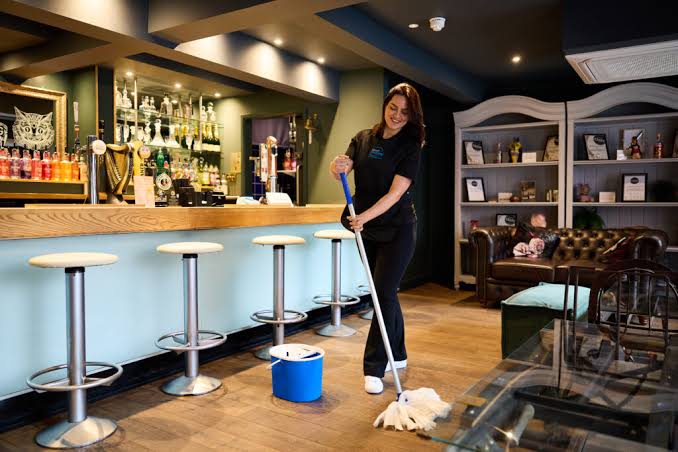
Modern customers increasingly expect businesses to demonstrate genuine quality rather than relying only on promotional claims. For cleaning companies, this means providing clear service information, accurate business details and useful answers to common customer questions.
For restaurants searching for commercial cleaning support, information about cleaning frequency, service areas, cleaning processes and the types of premises covered can make it easier to decide whether a provider is suitable.
Clear, factual and locally relevant service content can also help search engines and AI-driven search systems understand what a business actually provides. Rather than repeating keywords unnaturally, useful information should answer the questions restaurant owners are likely to ask before making an inquiry.
Conclusion
Maintaining a restaurant to a consistently high standard requires planning, regular attention and an understanding of how different areas of the premises should be cleaned. From kitchens and food preparation surfaces to dining rooms, floors, toilets and entrances, every area contributes to the overall impression of a business.
Professional restaurant cleaning leeds services can provide valuable support for restaurants that need dependable cleaning without taking their own staff away from essential hospitality duties. A combination of routine cleaning, scheduled deep cleaning, responsive maintenance and regular quality checks can help create a cleaner and more professional environment.
For restaurants looking to maintain high standards in a competitive local market, working with an experienced provider such as CleanVerge can make it easier to establish a dependable cleaning routine that fits around daily operations. Consistent attention to cleanliness can support customer confidence, staff wellbeing, operational efficiency and the long-term reputation of the restaurant.
Comments