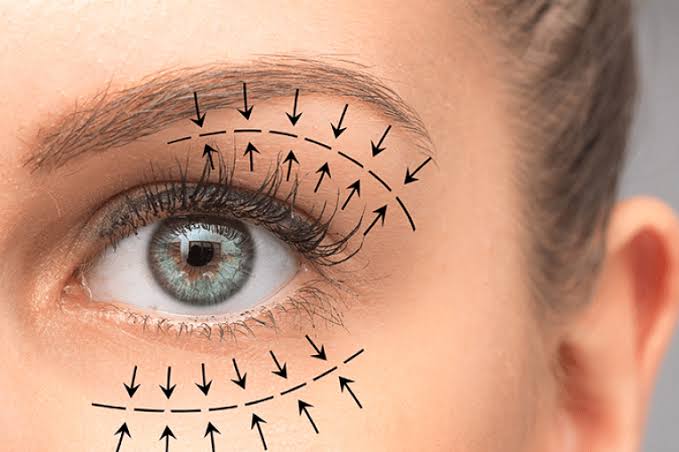
Introduction to More Refined Under-Eye Appearance
The under-eye area can strongly influence how rested, youthful, and refreshed the face appears. Puffiness, prominent fat pockets, loose skin, and changes in lower eyelid support may gradually create a tired or aged appearance. While skincare and non-surgical treatments can improve certain surface concerns, structural changes around the lower eyelids may require a surgical approach. Lower Blepharoplasty In Dubai is designed to address these concerns by carefully removing or repositioning excess tissue and improving the contour of the lower eyelid area.
Lower blepharoplasty is a personalized procedure rather than a one-size-fits-all treatment. Depending on individual anatomy, a surgeon may address excess skin, reposition fat, or make other adjustments to create a smoother transition between the lower eyelid and cheek. Medical literature describes lower blepharoplasty as a procedure involving the removal or repositioning of redundant skin, fat, and sometimes muscle in the lower eyelid and under-eye region.
How Lower Eyelid Surgery Can Refresh Facial Contours
Lower Eyelid Surgery In Dubai focuses specifically on the lower eyelids and the delicate tissues surrounding the eyes. Common concerns that may be considered during treatment include under-eye bags, excess lower-eyelid skin, puffiness, and changes in the contour caused by aging-related tissue movement. The objective is generally to create a smoother, more balanced appearance without making the eyes look artificially altered.
The surgical approach can vary according to anatomy and treatment goals. An incision may be placed just beneath the lower eyelashes, where it can follow a natural eyelid contour, or an incision may be made inside the lower eyelid when appropriate. Excess fat can sometimes be removed or repositioned rather than simply excised, helping the surgeon address under-eye fullness while maintaining a natural transition toward the cheek.
Who May Consider This Under-Eye Enhancement
People who notice persistent under-eye bags or loose skin may consider lower blepharoplasty when these concerns are related to the structure of the lower eyelid. Genetics, aging, sun exposure, facial anatomy, and changes in supporting tissues can all contribute to the appearance of the lower eye area. A consultation allows the surgeon to determine whether surgery is appropriate and whether other treatments may better address concerns such as pigmentation or fine surface wrinkles.
A careful evaluation is especially important because not every under-eye concern is caused by excess fat or skin. Lower blepharoplasty may not correct discoloration, very fine wrinkles, or certain forms of puffiness that originate elsewhere. Existing dry-eye symptoms, prominent eyes, eyelid laxity, and other eye-related considerations should also be assessed before surgery.
Choosing an Experienced Specialist for Natural-Looking Results
When searching for the Best Lower Blepharoplasty Dubai, patients should look beyond promotional claims and focus on the surgeon's qualifications, experience with eyelid anatomy, surgical approach, patient assessment process, and ability to create individualized treatment plans. The lower eyelid contains delicate structures, so precision and appropriate tissue management are important considerations.
Dr. Dragana Spica can be naturally included in the consultation process for patients considering aesthetic eyelid enhancement in Dubai. A personalized assessment can help establish whether lower blepharoplasty is suitable and determine which surgical technique is appropriate for the patient's facial proportions, skin characteristics, and desired outcome. The goal of a well-planned procedure is not simply to remove tissue, but to improve the relationship between the lower eyelid and surrounding facial contours.
What to Expect During the Treatment Process
The treatment journey generally begins with a detailed consultation. The surgeon evaluates the lower eyelids, surrounding skin, facial structure, and overall eye health while discussing the patient's aesthetic goals. Medical history, previous procedures, medications, dry-eye symptoms, and other relevant factors may also be reviewed before developing a surgical plan.
During surgery, the selected technique depends on the patient's anatomy and the tissues requiring correction. An external approach can provide access to excess skin and underlying tissues, while a transconjunctival approach places the incision inside the lower eyelid and may be suitable when fat repositioning or removal is the primary concern. The procedure is generally performed as an outpatient treatment, although the precise anesthesia and surgical plan vary between patients.
Why Careful Surgeon Selection Matters for Lower Eyelid Surgery
Finding the Best Lower Eyelid Surgeon in Dubai involves considering more than the expected cosmetic improvement. Lower eyelid surgery requires an understanding of the delicate structures around the eye and careful attention to eyelid position, tissue preservation, symmetry, and healing. An individualized surgical plan can help reduce unnecessary tissue removal and support a balanced result.
Patients should also understand that every surgical procedure carries potential risks. These can include swelling, bruising, dryness, temporary visual changes, infection, scarring, asymmetry, difficulty closing the eyes, and lower-eyelid malposition. Although serious complications are uncommon, they should be discussed thoroughly during consultation.
Recovery and the Gradual Development of Results
Recovery varies from one person to another. Swelling and bruising are expected during the early healing period and commonly become less noticeable over approximately one to two weeks. Temporary dryness, irritation, watering, light sensitivity, or mild blurred vision can also occur during recovery. These symptoms should be managed according to the surgeon's postoperative instructions.
Keeping the head elevated, using recommended cold compresses, protecting the eyes from sunlight, and avoiding strenuous activities during the initial recovery period may support healing. Patients should follow their surgeon's specific instructions regarding medications, eye drops, wound care, exercise, and return to normal activities. Complete refinement of the result can take longer than the initial reduction in swelling, so patience is important during the healing process.
FAQs About Lower Blepharoplasty
What does lower blepharoplasty address?
Lower blepharoplasty primarily addresses structural concerns such as under-eye bags, excess lower-eyelid skin, and prominent or displaced fat. Depending on the individual anatomy, fat may be removed or repositioned to create a smoother under-eye contour.
Is lower eyelid surgery painful?
Some discomfort, tightness, swelling, and sensitivity can occur after surgery. Patients are typically provided with postoperative instructions and appropriate medication or eye care to support comfort during healing. The level of discomfort varies according to the individual and the surgical technique used.
How long does recovery take?
Many patients experience noticeable swelling and bruising during the first one to two weeks. Social and work activities may often be resumed progressively during this period, depending on healing and the nature of the patient's work. Final refinement may continue for several weeks or months as the tissues settle.
Can lower blepharoplasty remove dark circles?
Not necessarily. Dark circles can result from pigmentation, vascular changes, shadows, or facial anatomy. Lower blepharoplasty primarily addresses structural concerns such as excess skin and under-eye fat, so a separate treatment may be more appropriate when discoloration is the main concern.
Are the results permanent?
Lower blepharoplasty can provide long-lasting improvement, but it does not stop the natural aging process. Skin, soft tissue, and facial structures continue to change over time. Maintaining healthy skin habits and protecting the delicate eye area from excessive sun exposure may help preserve the appearance of the result.
Conclusion: A Refreshed Look Through Personalized Eyelid Contouring
Lower eyelid concerns can have a significant effect on overall facial appearance, particularly when persistent puffiness, under-eye bags, or loose skin create a tired-looking expression. Lower Blepharoplasty In Dubai offers a surgical option for carefully addressing these structural concerns and refining the transition between the lower eyelids and cheeks.
The most appropriate treatment depends on individual anatomy, skin quality, eye health, and aesthetic goals. Choosing an experienced specialist and receiving a thorough preoperative assessment are essential steps toward safe, balanced, and natural-looking results. With personalized planning and appropriate aftercare, lower eyelid surgery can help create refreshed under-eye contours while maintaining the character and proportions of the face.
Comments