Ivory Coast Visa Information for Mozambique Travelers
Traveling to Ivory Coast is an exciting experience for tourists from Mozambique, offering a mix of vibrant cities, coastal beauty, and rich cultural heritage. Before planning the journey, travelers should understand the basic entry rules, including passport validity, visa or eVisa approval, and supporting travel documents. Many visitors also check health requirements and recommended travel insurance to ensure a smooth arrival and stay in the country.

For Mozambique nationals, understanding Ivory Coast travel requirements for Mozambique citizens is essential before departure. This includes preparing necessary identification, confirming visa eligibility, and following immigration guidelines upon arrival. Once in Ivory Coast, tourists can enjoy exploring Abidjan’s modern lifestyle, traditional markets, and nearby beaches while ensuring they comply with local travel regulations for a safe and enjoyable trip.
What are the different types of Ivory Coast eVisas?
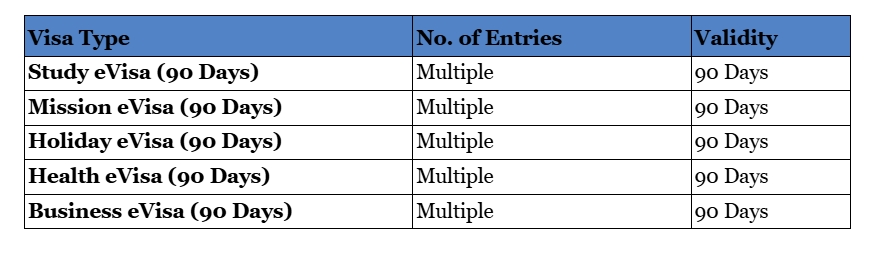
Depending on your travel purpose, you can choose from several categories of eVisas. Each is typically valid for 90 days and allows for multiple entries.
What is the processing time for the Ivory Coast eVisa?
The Ivory Coast eVisa processing time depends on the service type you choose, allowing travelers to plan according to their urgency and travel schedule. The standard processing usually takes around 6–9 working days, while faster options like Rush processing (4–7 working days) and Super Rush processing (3–5 working days) are also available for those who need quicker approval. Choosing the right processing speed helps ensure your travel plans remain smooth and well-organized.
What documents do I need for my Ivory Coast eVisa application?
Preparation is key to a successful visa application. Ensure you have the following items ready before you start your online process:

- Valid Passport: Your passport must have at least six months of remaining validity from your date of arrival and at least one blank page for stamps.
- Passport Scan/Photo: A recent, clear digital copy of your passport's biographical data page.
- Flight Reservation: Proof of your round-trip air travel.
- Accommodation Proof: Evidence of where you will be staying, such as a confirmed hotel booking or an invitation letter from a host.
- Yellow Fever Vaccination: A copy of your International Certificate of Vaccination (ICV) is mandatory, as this disease is a public health requirement for entry.
- Financial Records: Recent bank statements from the last three months to prove you can support yourself during your stay.
How do I apply for the Ivory Coast eVisa?
To apply for the Ivory Coast eVisa, travelers need to follow a simple online process designed to make entry smoother and faster for international visitors.
- Online application form – Fill out the eVisa application with personal, passport, and travel details.
- Upload required documents – Provide a valid passport, travel itinerary, and other supporting documents.
- Pay the visa fee online – Complete the payment using an accepted digital payment method.
- Receive approval notification – Wait for processing and get your eVisa approval confirmation.
- Collect visa on arrival (if required) – Some travelers may receive final visa issuance upon arrival at the airport.
How do I check if I am eligible for the Ivory Coast eVisa?
To check eligibility for the Ivory Coast eVisa, travelers must verify their nationality and travel purpose against the country’s approved visa system, which helps ensure a smooth and hassle-free entry process.
- Check your nationality – Confirm whether your passport country is eligible for the eVisa system.
- Ivory Coast tourist visa application for Namibia Citizens
- Ivory Coast travel authorization for Netherlands Citizens
- Ivory Coast visa rules for New Zealand Citizens
- Ivory Coast entry guide for Nicaragua Citizens
- Ivory Coast visa process for Norway Nationals
- Verify travel purpose – Ensure your visit purpose (tourism, business, transit) is allowed under eVisa rules.
- Review document requirements – Check if you meet passport validity and supporting document conditions.
- Confirm visa category – Identify the correct eVisa type based on your travel needs.
- Check the official eligibility list – Some countries are pre-approved for online visa applications.
When is the best season to travel to Ivory Coast?
The best season to travel to Ivory Coast is during the dry period from November to March, when the weather is warm, sunny, and ideal for sightseeing, wildlife experiences, and cultural exploration.

- Dry season (Nov–Mar) – Best time for pleasant weather, outdoor activities, and national park visits.
- Cooler temperatures – Comfortable climate for city tours and beach holidays.
- Wildlife viewing – Easier to spot animals in national parks due to dry landscapes.
- Cultural festivals – Popular events like the Festival of Masks often take place during this period.
- Less rainfall disruption – Smooth travel conditions with fewer weather-related interruptions.
Can I carry alcohol to Ivory Coast as a traveler?
Yes, you can bring alcohol, but you must adhere to strict customs regulations. The current allowance for travelers aged 15 and over is limited to either one liter of spirits or one liter of wine. Exceeding these limits without the proper permits can lead to confiscation or additional fees at customs. Always pack your items in a way that is easily accessible for declaration if requested by customs officials.
Which ride apps work in Ivory Coast?
Ride-hailing services in Ivory Coast make urban travel easier, especially in cities like Abidjan, where a few key apps are commonly used for booking taxis and private cars.
- Yango – The most widely used ride-hailing app, offering affordable fares and quick bookings
- Bolt – Available in select areas, known for easy app-based taxi services
- Local taxi apps (like WOYO) – Provide on-demand rides and help users book registered taxis
What medicines are allowed in Ivory Coast for tourists?
When traveling to Ivory Coast, tourists are allowed to carry essential medicines, but it is important to follow proper medical and customs guidelines to avoid issues at entry.
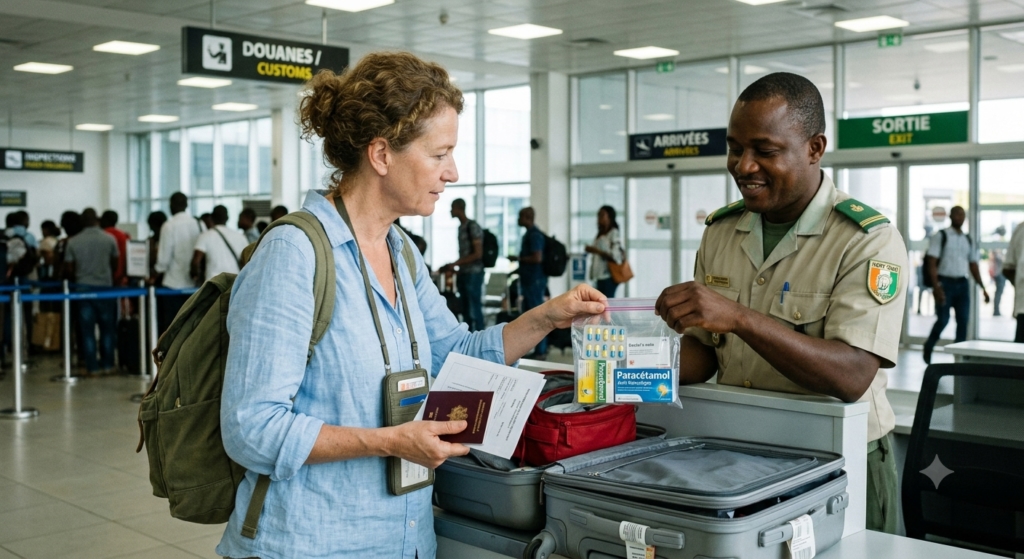
- Prescription medicines are allowed if carried in original packaging with a valid doctor’s prescription
- Controlled or strong medications may require a doctor’s note explaining medical necessity
- Common over-the-counter medicines (for fever, pain, cold, allergies) are generally permitted
- Limited quantities only should be carried for personal use during travel
- Malaria prevention medicines and vaccinations are strongly recommended for visitors to the region
- Avoid carrying unlabelled or bulk medicines, as they may be questioned at customs
What are the emergency numbers in Ivory Coast for tourists?
Safety should always be a priority. Should you find yourself in an urgent situation, keep these local emergency contacts handy:
- Police: 170, 110, or 111
- Fire Brigade: 112
- Ambulance/Medical Emergency: 185
Always ensure your mobile phone is charged and has a local SIM card or roaming capabilities so you can reach these services if needed.
Are healthcare facilities good in Ivory Coast for tourists?
Yes, healthcare facilities in Ivory Coast can meet basic to moderate medical needs for tourists, especially in private hospitals in major cities like Abidjan, where care standards, equipment, and services are generally better. However, public hospitals may not always meet international expectations in terms of facilities and speed of treatment, particularly outside urban areas. For this reason, tourists are advised to have comprehensive travel insurance that includes medical treatment and emergency evacuation. If you have specific health conditions, it is safer to choose well-equipped private or multi-specialty hospitals that are more experienced in handling international patients.
What are taxi options in Ivory Coast for tourists?
Taxi options in Ivory Coast for tourists are quite diverse, especially in major cities like Abidjan, where both traditional and app-based transport services are available for local travel.

- Traditional street taxis are widely available, but fares often need to be negotiated in advance if there is no meter
- Hotel-arranged taxis are considered safer and more reliable for tourists
- Ride-hailing apps like Yango offer fixed fares, GPS tracking, and improved safety
- Bolt is another app-based option available in some areas
- Branded or registered taxis are generally safer than informal street pickups
Conclusion:
Traveling from Mozambique to Ivory Coast is a manageable and rewarding experience, provided you handle the paperwork early. By utilizing the eVisa system and preparing your essential travel documents, you clear the path for a smooth entry. Remember to stay vigilant regarding your safety, use reliable transport, and ensure your health needs are covered by both vaccinations and insurance. By respecting local customs, following travel advice, and staying informed, your visit to this beautiful country will surely be a memorable one. Plan ahead, keep your documents organized, and enjoy the diverse culture and hospitality that Ivory Coast has to offer.
Comments