Exploring Laos's Traditional Rice-Wine Making Communities and Local Culture
When travelers think of Laos, images of saffron-robed monks collecting alms in Luang Prabang, misty limestone karst mountains, and the slow-flowing Mekong River often come to mind. Beyond these iconic sights lies a deeply rooted cultural tradition that connects generations of Laotian families: traditional rice-wine making.
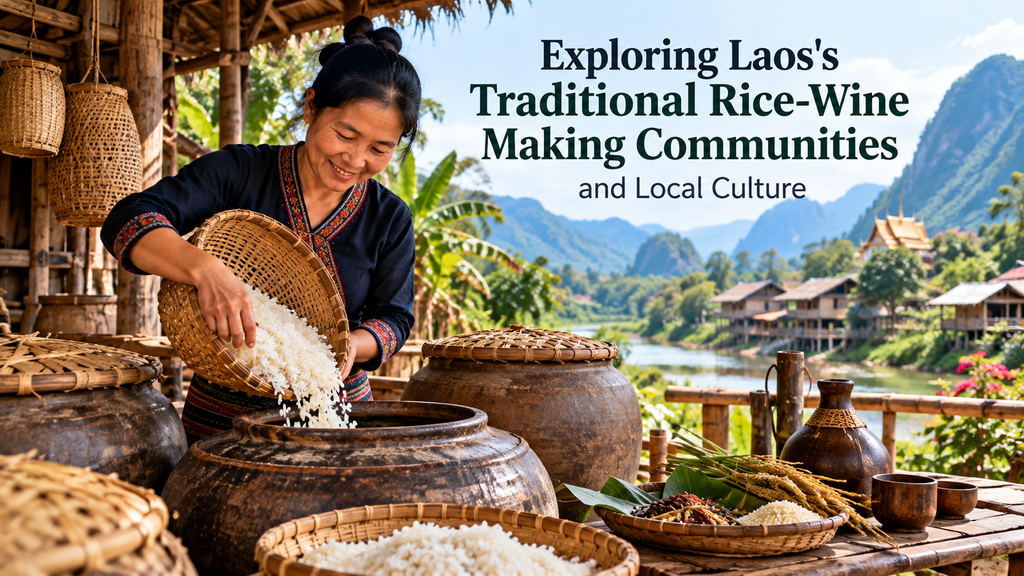
If you want to experience the authentic heartbeat of rural Laos, stepping into a traditional rice-wine village is an unforgettable adventure. This guide takes you off the beaten path to explore how this ancient craft thrives today and how you can experience it firsthand.
Understanding Lao Rice Wine: The Heart of Village Tradition
In rural Laotian communities, rice is much more than just a daily meal. It is the center of agricultural life, spiritual offerings, and community gatherings. Locally known as Lao Lao (clear rice whiskey) or Lao Hai (jar wine fermented with sticky rice), this traditional brew plays an essential role in weddings, Baci ceremonies, festivals, and welcoming guests.
Unlike mass-produced commercial alcohol, making Lao rice wine is an artisanal craft passed down orally from parents to children. Every village—and sometimes every family—holds subtle variations in their techniques, making each batch unique.
How Traditional Rice Wine is Made: A Timeless Craft
Visiting a rice-wine making community allows you to witness a fascinating, slow-paced production process that has remained largely unchanged for centuries.
1. Harvesting and Selecting Sticky Rice
Laotians primarily use glutinous rice (sticky rice), which forms the dietary and cultural staple of the region. The rice is harvested by hand from terraced paddy fields or lowland river valleys.
2. Fermentation with Herbal Yeast Cakes (Pang)
The secret to authentic Lao rice wine lies in pang, a traditional starter cake made from a mixture of crushed rice, mountain roots, tree barks, and secret local herbs. These ingredients are ground together, formed into small patties, and sun-dried. The unique blend of wild herbs dictates the flavor profile and aroma of the final brew.
3. Steaming and Distillation
The sticky rice is cooked over an open wood fire in traditional bamboo steamers. Once cooled, it is mixed with the crushed yeast cake and left to ferment in large earthen jars for several days. For Lao Lao, the fermented mash is transferred to a homemade distillation apparatus—often featuring repurposed metal drums and bamboo cooling pipes—where it is slowly heated over a fire to produce a potent, crystal-clear spirit.
As you plan your cultural exploration and prepare to travel across Southeast Asia, ensuring your paperwork is in order is essential. To make your journey smooth and stress-free, you can utilize reliable Laos Visit Visa services to handle your travel documentation effortlessly.
Top Cultural Regions to Experience Lao Rice-Wine Communities
While rice wine is brewed throughout the country, certain rural pockets are particularly famous for their brewing heritage and welcoming local culture.
- Ban Xang Hai (The Whiskey Village): Located just outside Luang Prabang along the Mekong River, this is the most accessible village for travelers. Here, you can watch local families distill Lao Lao and sample various infused versions, such as wine steeped with honey, local roots, or even snakes and scorpions for traditional medicinal properties.
- Rural Villages around Vang Vieng: Beyond the adventure tourism and limestone cliffs, the farming villages tucked into the surrounding valleys offer genuine glimpses into daily agrarian life and traditional brewing practices.
- Southern Laos (Champasak and the Bolaven Plateau): Blending coffee culture with ancient traditions, ethnic minority villages in the south produce distinct regional variations of rice wine, often enjoyed communally through bamboo straws from large earthenware jars during festivals.
Immersive Cultural Etiquette: How to Participate Respectfully
Visiting a traditional rice-wine community is a privilege that offers a direct window into village life. To ensure a meaningful and respectful exchange, keep these cultural tips in mind:
- Accept the Toast Gracefully: In Laotian culture, sharing a glass of rice wine is a gesture of hospitality and friendship. Taking even a small sip when offered is a sign of respect, though politely declining is acceptable if you do not drink alcohol.
- Support Local Artisans: Buying a small bottle of rice wine or local handicrafts directly from the family provides a direct economic boost to the household and helps preserve the traditional craft.
- Hire a Local Guide: Traveling with a knowledgeable local guide bridges language gaps, explains cultural nuances, and ensures your visit benefits the community sustainably.
Why Choose Us for Your Travel Planning?
Planning an international trip should be exciting, not overwhelming. Here is why travelers trust our platform for their journey:
- Reliable Travel Visa Services: Our global approach has assisted numerous travelers in obtaining their Visa.
- Round-the-Clock Assistance: Reach out to us 24/7, and our experts will respond within 72 hours.
- Experienced Visa Consultants: Receive expert guidance to ensure the acceptance of your application.
- Efficient Visa Application Process: Apply for your Visa in minutes with our simplified form.
Immersing yourself in the rice-wine villages of Laos offers a rare chance to connect with local people, understand ancient traditions, and experience the genuine soul of Southeast Asia. Pack your curiosity, respect local customs, and get ready for an unforgettable journey!
Comments