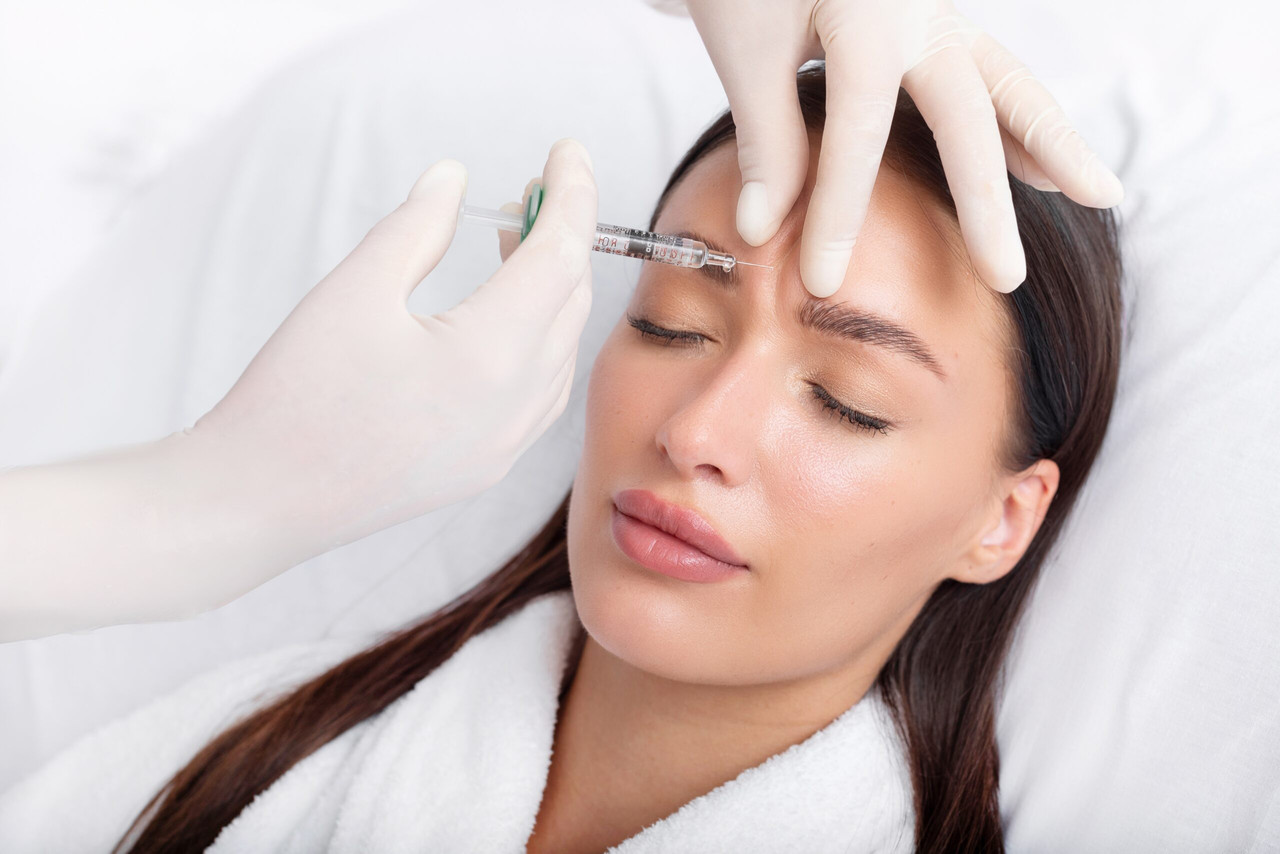
Facial lines are a natural part of the ageing process, developing gradually as a result of repeated facial movements, changes in skin elasticity, and individual ageing patterns. However, not all lines appear in the same way or require the same approach to treatment. Some are visible mainly when a person smiles, frowns, or raises their eyebrows, while others remain noticeable when the face is completely relaxed. Understanding these differences is an important part of planning an appropriate aesthetic treatment.
An initial consultation provides an opportunity for a qualified practitioner to examine facial lines, discuss individual concerns, and understand the results a person hopes to achieve. For those considering Botox in London, this assessment helps establish whether anti-wrinkle injections may be suitable and which areas require attention. Rather than following a standard treatment pattern, a practitioner considers facial anatomy, muscle movement, skin condition, and personal preferences before developing an individualised plan.
At Bodyvie Clinic, understanding the relationship between facial expressions and visible lines is an important consideration when discussing aesthetic treatments. A detailed consultation helps create realistic expectations and supports a personalised approach that aims to maintain natural facial expression.
Why Is Facial Line Evaluation Important Before Botox Treatment?
Facial line evaluation is an essential part of the initial consultation because visible lines can have different causes. Repeated muscle contractions are responsible for many expression lines, particularly around the forehead, between the eyebrows, and at the outer corners of the eyes. Other lines may be influenced more strongly by skin texture, sun exposure, reduced elasticity, or changes in facial volume.
Botulinum toxin works by temporarily reducing the activity of selected muscles responsible for certain expression lines. It is therefore important to establish whether the lines being assessed are primarily associated with muscle movement.
During a consultation for Botox Injections In London, the practitioner discusses the areas that concern the individual and examines how the skin changes during different facial expressions. This helps determine whether anti-wrinkle injections may address the person's goals or whether another approach may be more appropriate.
The purpose of this assessment is not simply to identify wrinkles. It is to understand the face as a whole and consider how treatment in one area might influence the surrounding features.
How Does the Practitioner Assess Dynamic and Static Facial Lines?
One of the first steps in evaluating facial lines is distinguishing between dynamic lines and static lines.
Dynamic lines appear or become more noticeable when facial muscles contract. For example, horizontal forehead lines may develop when someone raises their eyebrows, while vertical lines between the eyebrows can become prominent when frowning. Lines around the outer corners of the eyes may appear more clearly when smiling.
Static lines, in contrast, remain visible when the face is at rest. They can develop gradually as the skin undergoes natural changes over time. Although repeated muscle movements may contribute to their formation, static lines can also be influenced by skin quality, environmental exposure, and the individual's natural facial characteristics.
The practitioner may ask the individual to perform several facial movements and then relax the face completely. Comparing these positions helps establish how much of the visible line is related to muscle activity.
This distinction is particularly relevant when discussing Botox in London, as expression-related lines may respond differently from deeper lines that remain visible without movement. The assessment helps guide a realistic discussion about what treatment may achieve.
Which Facial Areas Are Examined During the Consultation?
Facial line assessment commonly focuses on areas where repeated muscle movements create noticeable creases. The precise areas examined depend on the individual's concerns, facial anatomy, and treatment goals.
Forehead Lines
Forehead lines generally appear as horizontal creases when the eyebrows are raised. The practitioner observes how strongly the forehead muscles contract and whether the lines remain visible when the face returns to a relaxed position.
Eyebrow position is also considered because forehead muscles contribute to raising the brows. Understanding this relationship helps the practitioner discuss an approach that takes the individual's natural facial expression into account.
Frown Lines Between the Eyebrows
Vertical or angled lines between the eyebrows often become noticeable when a person frowns or concentrates. The muscles responsible for drawing the eyebrows together are examined during these movements.
The practitioner considers the location, depth, and pattern of these lines, as well as the individual's natural brow position. These observations help determine whether the concern is primarily related to muscle activity.
Lines Around the Eyes
Fine lines around the outer corners of the eyes, commonly called crow's feet, may become visible during smiling or squinting. Their appearance varies according to facial movement, skin characteristics, and individual expression patterns.
The practitioner observes how the lines develop during a natural smile and whether they remain apparent when the muscles relax. This helps establish the extent to which muscle activity contributes to their appearance.
Other Areas of Concern
Some individuals may ask about lines around the nose or other areas affected by facial movement. These concerns can be discussed during the consultation, although suitability depends on the specific anatomy, the cause of the lines, and the practitioner's clinical judgement.
Not every facial line is suitable for treatment with botulinum toxin. A careful assessment helps identify which concerns may be addressed through muscle relaxation and which may require a different treatment strategy.
How Is Facial Muscle Movement Evaluated?
Facial muscles work together to create expressions, so an assessment should consider how different areas interact rather than examining each wrinkle in isolation.
During the consultation, the practitioner may ask the individual to raise their eyebrows, frown, smile, or close their eyes gently. These movements reveal which muscles are active, how strongly they contract, and where lines become most prominent.
The practitioner may also observe whether the person habitually raises their eyebrows while speaking or contracts the muscles between the brows when concentrating. These patterns can influence the appearance of facial lines throughout the day.
Muscle strength and movement vary considerably between individuals. Two people with similar forehead lines may have different muscle activity and eyebrow positions. Consequently, the same treatment pattern may not be appropriate for both.
A personalised assessment helps the practitioner consider these differences when discussing treatment options. The objective is to address the individual's concerns while respecting the natural movement and balance of the face.
What Role Does Skin Quality Play in Facial Line Assessment?
Although muscle activity is an important factor, skin quality also influences the appearance of facial lines. The practitioner may examine skin texture, elasticity, hydration, and the depth of existing creases.
Fine lines caused partly by changes in the skin may remain visible even when the underlying muscles are relaxed. Similarly, lines associated with sun exposure or changes in skin elasticity may not respond to anti-wrinkle injections in the same way as dynamic expression lines.
The consultation may also include a discussion of skincare habits and environmental factors that affect the skin's appearance. This information provides additional context when considering the most suitable approach.
For individuals seeking Botox Injections In London, understanding the difference between muscle-related lines and changes in the skin helps establish realistic expectations. In some cases, the practitioner may explain that another treatment or a broader skincare approach could be more appropriate for certain concerns.
How Are Individual Treatment Goals Discussed?
A successful consultation involves more than a physical assessment. It also gives the individual an opportunity to explain what they would like to change and what they hope to preserve.
Some people want to soften pronounced forehead lines, while others are concerned about frown lines that create a tired or serious appearance. Others may prefer subtle changes that leave their facial expressions looking as natural as possible.
The practitioner should explore these preferences and clarify what is realistically achievable. For example, reducing the appearance of expression lines does not necessarily mean eliminating every crease, particularly where lines remain visible at rest.
A discussion about treatment goals may include the desired degree of muscle relaxation, the importance of maintaining eyebrow movement, and the person's previous experience with aesthetic procedures.
Clear communication allows the treatment plan to reflect the individual's priorities rather than relying on a standardised approach. It also helps establish a shared understanding of the intended outcome.
Why Are Medical History and Previous Treatments Relevant?
Medical history is an important part of an initial aesthetic consultation. Before recommending treatment, the practitioner should ask about relevant health conditions, current medications, allergies, and previous aesthetic procedures.
Previous anti-wrinkle treatments can be particularly useful to discuss. The practitioner may ask which areas were treated, how the individual responded, how long the effects lasted, and whether the outcome met their expectations.
This information can help identify preferences and provide context for future treatment planning. It may also help the practitioner understand whether the person's current concerns relate to untreated areas, changes over time, or expectations about the appearance of facial movement.
The practitioner will use the information gathered to determine whether treatment is appropriate and whether any further assessment is needed before proceeding.
How Does the Practitioner Develop a Personalised Treatment Plan?
After examining facial lines, muscle activity, skin quality, and treatment goals, the practitioner brings these observations together to discuss an individualised plan.
The plan may identify the main areas of concern, explain which lines are likely to respond to botulinum toxin, and outline the expected degree of improvement. Where relevant, the practitioner may discuss alternative treatments for lines that are not primarily caused by muscle contractions.
The amount of product and the placement of injections depend on several factors, including muscle strength, facial anatomy, the treatment area, and the desired outcome. These decisions should be made by a suitably qualified practitioner following an individual assessment.
The consultation is also an opportunity to ask questions about the procedure, expected onset of results, how long the effects may last, and when a review may be appropriate. Treatment should only proceed once suitability has been established and the individual understands the proposed plan.
Choosing a Best Botox Clinic London involves looking beyond promotional claims and considering the quality of the consultation, the practitioner's qualifications, the assessment process, and the emphasis placed on individualised care.
What Should You Expect From a Botox Consultation at Bodyvie Clinic?
Individuals considering treatment at Bodyvie Clinic can use the initial consultation to discuss their concerns about facial lines and learn more about available options. The discussion should focus on understanding the person's facial features, identifying the causes of visible lines, and determining whether anti-wrinkle injections may be suitable.
The practitioner may examine the forehead, frown area, and eye region, depending on the concerns raised. Facial movements can be assessed to understand how lines appear during expression and whether they remain visible at rest.
Individuals should feel comfortable explaining their preferences, asking questions, and discussing any previous treatment experiences. A thorough consultation should provide clear information about the proposed approach and the likely results without promising identical outcomes for every person.
For anyone researching Botox in London, the quality of the assessment is an important consideration when choosing an aesthetic provider. An informed decision begins with an honest discussion of individual needs, realistic expectations, and suitable treatment options.
Conclusion
Evaluating facial lines during an initial Botox consultation involves understanding much more than the depth or location of a wrinkle. The practitioner considers whether lines appear during facial movement or remain visible at rest, examines muscle activity, assesses skin quality, and takes the individual's treatment goals into account.
Medical history and previous aesthetic treatments also help provide a clearer picture of suitability and expectations. By bringing these factors together, the practitioner can explain which concerns may respond to botulinum toxin and develop a treatment plan based on individual facial characteristics.
For people considering Botox Injections In London, a detailed consultation supports informed decision-making and helps establish realistic expectations about the outcome. When choosing a Best Botox Clinic London, it is worth prioritising qualified practitioners, careful assessment, clear communication, and a personalised approach that respects natural facial expression.
Frequently Asked Questions
1. How are facial lines evaluated during a Botox consultation?
The practitioner examines the face at rest and during movements such as smiling, frowning, and raising the eyebrows. This helps distinguish lines caused mainly by muscle activity from those associated with changes in skin quality.
2. Why does the practitioner ask me to make different facial expressions?
Different expressions activate different facial muscles. Observing these movements helps the practitioner understand the location, strength, and pattern of muscle contractions contributing to visible lines.
3. Can Botox treat all types of facial lines?
No. Botulinum toxin is primarily used to soften certain lines caused by repeated muscle contractions. Lines that remain visible at rest may also involve changes in skin elasticity or texture, so another treatment may be more appropriate for some concerns.
4. Which facial areas are commonly assessed before Botox treatment?
Common areas include horizontal forehead lines, frown lines between the eyebrows, and crow's feet around the outer corners of the eyes. Other areas may be discussed depending on the individual's concerns and clinical suitability.
5. Does skin quality affect the recommended treatment?
Yes. Skin texture, elasticity, and the depth of existing lines can influence the assessment. The practitioner considers these factors to explain which concerns may respond to muscle relaxation and which may need a different approach.
6. Should I discuss previous Botox treatments during my consultation?
Yes. Sharing details about previous treatments, the results you experienced, and your preferences can help the practitioner understand your expectations and assess an appropriate approach for future treatment.
7. How long does an initial Botox consultation take?
The duration varies according to the individual's concerns, medical history, and the complexity of the assessment. The appointment should allow enough time to discuss treatment goals, examine facial movement, and answer relevant questions.
8. Will Botox remove every facial line?
Not necessarily. Treatment may soften selected expression lines, but deeper lines and creases that remain visible at rest may not disappear completely. The expected outcome depends on individual facial anatomy and the nature of the lines.
9. How do I choose the right clinic for Botox in London?
Look for a clinic that uses appropriately qualified practitioners, conducts a thorough consultation, reviews relevant medical history, explains realistic outcomes, and develops a personalised treatment plan. Clear communication and an emphasis on natural-looking results are also important considerations.
10. Is a consultation necessary before receiving Botox?
Yes. An appropriate consultation helps establish whether treatment is suitable, identifies the areas of concern, and allows the practitioner to discuss the proposed approach and expected results before treatment proceeds.
Comments